

Panel Discussion with Colin Andrews, Nathan Deboer, Isaac Monjo Chavula & Alex Gerard (Hosted by Dr. Adrienne Godschalx)
Three members of the Tiyeni Team join Nathan Deboer in a discussion about regenerative agriculture in Malawi. Hosted by Dr. Adrienne Godschalx.
-
Embed code:
This event has started. Please click ‘Play’ to begin.This event has ended.
Click on the ‘Play’ button to watch the replay.
Comment Section:
8 Comments
Leave a Reply
You must be logged in to post a comment.
Add to calendar
Subscribe to our Channel
Speakers
-
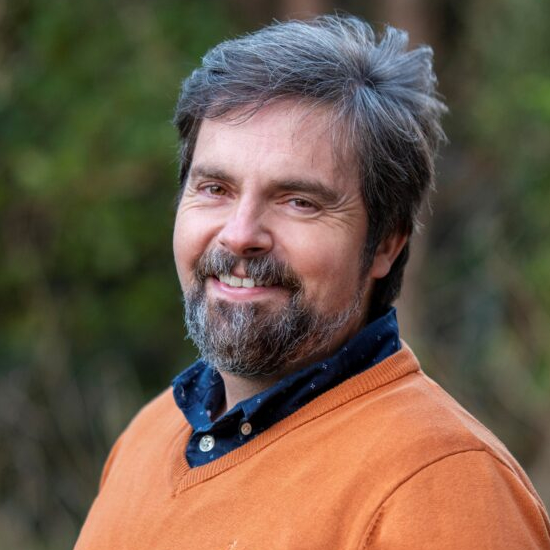 Alex GerardExecutive Director, Tiyeni
Tiyeni’s Executive Director Alex Gerard is a Birbeck alumni and passionate about advancing opportunities for farmers in Malawi with Tiyeni’s team:
“The impact is most apparent when you see subsistence farmers start to diversify their crop and even grow cash crops. Not only are they improving nutrition through a more balanced diet, but they are able set up businesses or sell excess produce in local markets. The knock-on effects of this are incredible. Within a few years of applying our techniques, we’ve seen former subsistence farmers being able to afford to send their children to school. We’ve seen amazing all-female cooperatives become real powerhouses in their community. Tackling food poverty can really help break the cycle.”
-
 Colin AndrewsChair of Tiyeni
Colin was brought up in many countries and had lived in 18 different homes before he left home. Starting his career in surveying in Iceland, he trained in Estate Management and became a Chartered Surveyor and later a member of the Australian Institute of Valuers. In Australia he worked on a number of farms and on return to the UK became a partner in an established firm of Chartered Surveyors which specialized in Estate and Farm management.
-
 Dr. Adrienne Godschalx (Host)Researcher and Instructor at the Soil Food Web School
Dr. Adrienne Godschalx studied Biology for both her Bachelor of Arts and her Ph.D. degrees. Her career as an ecology professional began over a decade ago, throughout which she taught, designed courses, led and managed teams, as well as researched and presented scientific findings around the world. This enabled Adrienne to become fluent in Spanish and learn intermediate French. Adrienne did post-doctoral research at the Université de Neuchâtel in Switzerland, which is a leader in chemical ecology and plant-insect-soil interactions. Her publications stretch back to 2013, when she researched co-variation of chemical defenses in the lima bean, through to 2021, when she researched spatial and temporal heterogeneity in pollinator communities. Currently, Adrienne serves as a Soil Food Web School Instructor for the Consultant Training Program and hosts Educational Webinars and the Annual Soil Regen Summit.
-
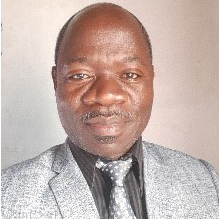 Isaac Monjo ChavulaCountry Director, Tiyeni
Mr. Isaac Monjo Chavula (MSc., BSc., Dip. Agric.) oversees Tiyeni’s work in Malawi. Isaac brings over 20 years of working with international NGOs implementing food security, sustainable livelihoods, water and sanitation and natural management projects with Concern Universal (now the United Purpose) and the Feed the Future – INVC donor funding from USAID, EU, IrishAid, AusAid, and others. He has also lectured at the Natural Resources College (a constituent college of the Lilongwe University of Agriculture and Natural Resources) and the Malawi Adventist University as Adjunct lecturer and as resident Lecturer at the University of Lúrio in Moçambique for a total of 3 years. Prior to this, Isaac served as a civil servant in the Ministry of Trade and Industry and Ministry of Education, Science and Technology.
-
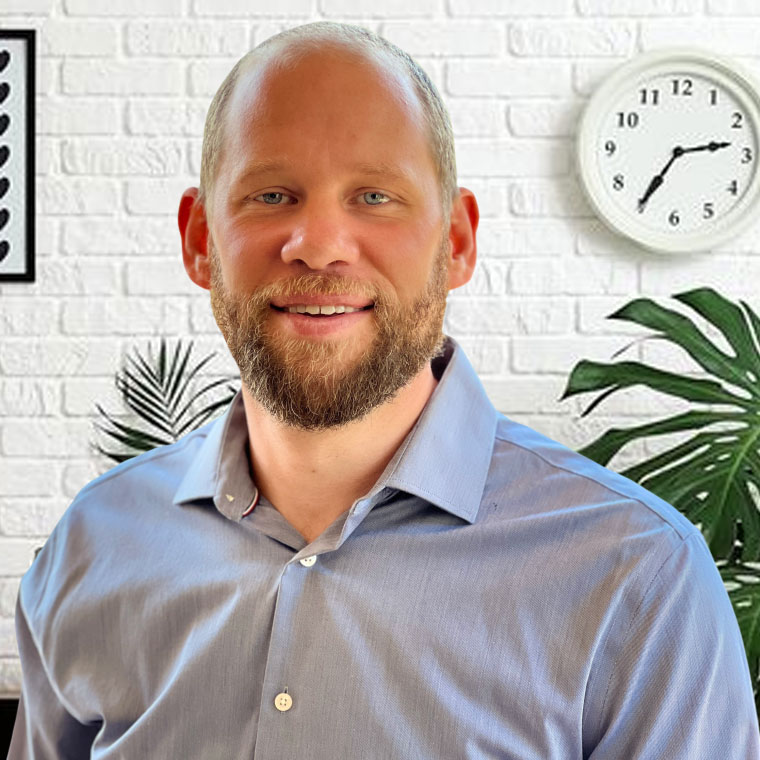 Nathan DeboerGreen Manure & Cover Crops Agricultural Consultant
Nathan Deboer grew up in Canada and began working in Conservation Agriculture on the African continent where he became convinced that Green Manure/Cover Crops (gm/ccs) is the champion way to revive dead soils, stop droughts, and end hunger. Nathan works with one of the world’s top gm/ccs specialists, started a gm/ccs movement in rural Malawi, developed the first-ever gm/ccs teaching curriculums and has now consulted with five organizations on how to adopt gm/ccs.
Share on Social & Win!

Such a wealth of Knowledge…so incredible to have this wonderful opportunity to hear all of you together…you need to do more of this…seriously. What an informative discussion than you so much. We can heal the earth and transform how we do things.
regenerative agriculture….the future. I loved hearing how people will share with their community…once you are done with a pick ax you share it with your neighbors.
🙂 Thank you guys
What crop was Issac talking about, couldn’t catch the name.?
Thank you for an awesome presentation, makes one stop and think for sure.
GREAT conversation! I learned so much. Valerie from South East Texas. US
Thank you for such a great discussion, so relevant to our situation in Rwanda
I greatly enjoyed the dynamic vibrancy of interaction and significant group learning that occured in this discussion.
My favorite insights –
– inter-cropping – as an important strategy to spread risk away from possible failed crops in order to ensure food security and long-term sustainability.
-breaking hard pans – in order to get the top of soil talking to the bottom of soil (water/deep root penetration).
-deep-bed farming – as a system which ensures ZERO water flows down the slope past the swail (thereby ensuring water security).
-food is best produced within a 3 tier system – (1) 3x3mtr tree spacing (topped and pruned back after season – ready for new season), (2) crop planting right up to tree trunks (3) edible ground species inter-cropping (ie pumpkins/lab lab/pigeon pea etc).
-not composting but massive green mulching which feeds the soil due to fast breakdown of nitrogen rich species via biology; particularly termites.
I have looked at Lab Lab which is available and suited to growing over summer here, and will definately be planting some this year.
Thank you for the thumbs up.