

Restoring the Caledonian Forest in the Highlands of Scotland with Alan Watson Featherstone
By the late 20th century, deforestation had reduced the Caledonian Forest to about 2% of its original range, leaving it diminished geographically and ecologically. The Forest consisted of old trees nearing the end of their lives and was missing many of its native wildlife species and key ecological processes. This talk will focus on the practical, positive action that is facilitating the natural recovery of the forest, its species, and the soils upon which the ecosystem depends. It will also outline a set of Principles of Ecological Restoration that have been developed to guide the recovery process.
-
Embed code:
This event has started. Please click ‘Play’ to begin.This event has ended.
Click on the ‘Play’ button to watch the replay.
Comment Section:
29 Comments
Leave a Reply
You must be logged in to post a comment.
Add to calendar
Subscribe to our Channel
Speaker
-
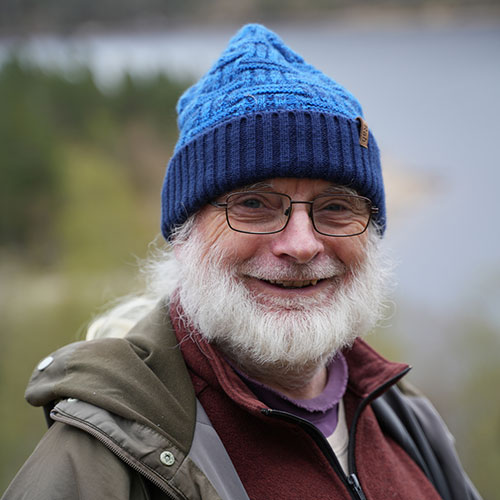 Alan Watson FeatherstonePublic Speaker, Ecologist, Nature Photographer, and Writer
Alan Watson Featherstone is an inspirational public speaker, ecologist, nature photographer, and writer who cares deeply about our planet and has dedicated his life to protecting its biological diversity. In 1986, Alan founded the award-winning conservation charity, Trees for Life. Based in the Findhorn Community in the northeast of Scotland, Alan is a trustee of several charities, including Wild things!, the Findhorn Hinterland Trust, and Trees for Hope. He is also a patron of Moor Trees.
Share on Social & Win!

Hello i guinean Citizen and i live in guinea
I’m enjoying To be à part of this meeting
Hi Boubacar, thanks for joining us! Hope to see you on the Live Panel.
Agradecer a todas y todos quienes organizaron el seminario!!! Excelente instancia para aprender más sobre regeneración de suelo.
Hola Rodrigo! Nos alegra saber que el seminario este siendo provechoso. Esperamos pueda participar en el siguiente panel en vivo con los expositores a las 11am PT.
Have you brought some of the native key stone predators to control the deer population?
Sorry, I asked the question too early. I saw you did it 🙂
In fenced-off areas that have regrown over 30 years or so like you showed us, do you plan to allow grazing species back into the fenced-off areas once the trees are relatively well established?
This presentation really reminds me of the importance of balance, and patience since true results take time.
When we are creating environments to reintroduce species in areas like Scotland without the land being surrounded by urban development, are we just waiting for them to return? are you ever bringing in animals from other places?
I did the same, my question was answered shortly after within the video. Thank you.
Thank you for sharing the incredible work that you are doing. 🙂
Maybe there may be some ways of planting native tree species and protect them from deer, maybe small “fenced islands” around the landscape…
Apex predators are very important part of ecosystems
Thank you – and thank you for your work 🌱🐛
Que riqueza de informações e de cenários sendo recuperados. parabéns
How can I express the pain in my heart when I see the damage humans have done to these beautiful forests. And most people have no comprehension of the damage done to these areas. But there is hope, restoration is possible. Thank you Alan for showing how restoration is possible.
What a wonderful, inspiring life’s work. Healing just to watch.
bless your soul, thank you for the work you do and the inspiration you provide. but please be aware of the manipulation of the UN and WEF in their fake care for the environment in what is much more likely an attempt to take more control over the lives of every day people by herding us into densely populated areas & implementation of one world government and control of all resources. remain vigilant and lets not let our good will be manipulated.
Amazing recovery when boundaries are established. Inspirational!
Something similiar was done by researchers from ULA-Venezuela, fencing sections of wetlands in hte highmountains/paramo areas in Mérida to protect water reservoirs from cattle
Thank you for a wonderful presentation, and for making such long-term efforts to restore the Caledonian rainforests. The ethics & principles used remind me of Permaculture!
This is brilliant, Thank you
This man has spent his virility upon the life of the planet, He encourages those who follow.
Rather than “Amen”, let us conclude with “All Men”.
Thanks for the good and instructive presentation.
The restoration of forests and other wild lands is so important. The link between healthy forest and the living creatures is very strong and we are included in that link. I wish more people would recognize this and help keep our forest green and flourishing for years to come.
This is some amazing work Alan!! Thank you for sharing!!
Thank you. You’re doing incredible work. What a gift to see the fruits of your labor too. I have the 14 principles written down and look forward to researching how I can apply them. Thank you for this great presentation and encouragement.
Hi Allen, I really enjoyed your presentaion. Ecological succession is really fascinating!
Fabulous presentation!
Thank you.
Absolutely incredible! I especially like the mention of insect attack ATTRACTING birds carrying seeds from afar. Puts a whole new spin on my knowledge of seed stratification. A true AH HA! Moment, thank you so much.
I had been persevering with the most depleted areas in the landscape i am engaged with – however, as Allan points out – it is better to work from areas of strength which are closest to natural condition because these will return faster and more far-reaching results.
It is great to not only be informed by his actions and results over such a long time – it is also vital to understand the step-by-step thinking behind this success which he has achieved.
I appreciate Allans careful distinction between nature and nurture, and how important it is to be particularly mindful towards what is actually occuring in the field – from insect to animal to plant.